The difference between horizontal machining center and vertical machining center
Machining center, as an indispensable equipment in modern manufacturing industry
Machining center, as an indispensable equipment in modern manufacturing industry, is widely used in the processing of various metal materials. Among them, horizontal machining center and vertical machining center are two common types. Although they all have high-precision and high-efficiency processing capabilities, there are obvious differences in structure, application, advantages and disadvantages.
1. structural differences
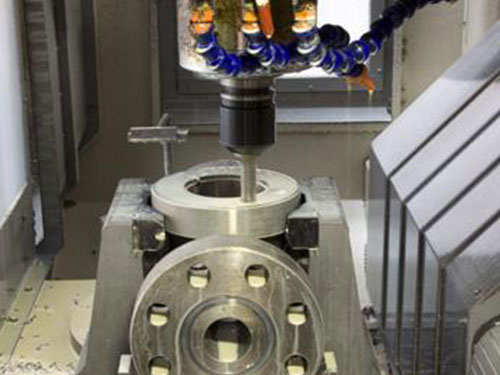
1. Horizontal machining center: the spindle of the horizontal machining center is placed horizontally, and the worktable is perpendicular to the spindle. This design makes the horizontal machining center more suitable for processing large, heavy workpieces, because its structure is more stable and can withstand greater cutting forces.
2. Vertical machining center: The spindle of the vertical machining center is placed vertically, and the worktable is parallel to the spindle. This structure makes the vertical machining center more compact, small footprint, more suitable for use in a limited space.
2. Application Areas
1. Horizontal machining center: Due to its stable structure and large table area, horizontal machining center is usually used for processing large and complex workpieces, such as automobile engines, marine propellers, etc.
2. Vertical machining center: Because of its small footprint and high flexibility, vertical machining center is often used to process small and medium-sized workpieces, such as molds, precision parts, etc.
Comparison of 3. advantages and disadvantages
1. Horizontal machining center:
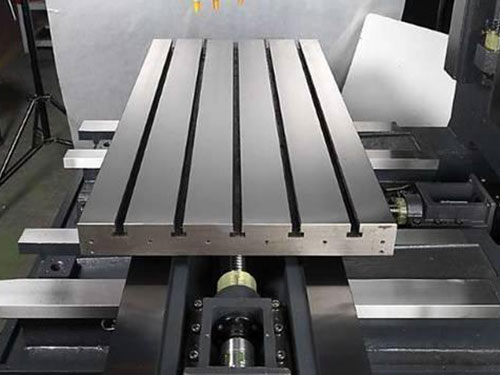
Advantages: stable structure, can withstand greater cutting force, suitable for processing large, heavy workpieces; large work surface area, easy to place large workpieces; spindle rotation range is wider, conducive to the processing of complex shapes of the workpiece.
Disadvantages: Large footprint and high plant height are required; due to the horizontal placement of the spindle, the accessibility of the tool may be limited for certain processing tasks.
2. Vertical machining center:
Advantages: small footprint, space saving; vertical placement of the spindle, good accessibility of the tool, suitable for a variety of processing tasks; high flexibility, easy to adjust and carry.
Disadvantages: The structure is relatively weak and may not be able to withstand large cutting forces; the small area of the worktable limits the size of the workpiece.
In summary, horizontal machining centers and vertical machining centers have their own advantages and applicable scenarios. When selecting a machining center, it should be considered comprehensively according to the specific processing needs, production environment and economic benefits.